“My highest recommendations for Devon and the Maritime Air team — thorough, honest, and on time. They explained everything in plain language and didn't push any unnecessary upsells.”
Spencer Fuller
May 2026
When FPL bills spike, blame falls on rates — but most Treasure Coast homes have an AC problem driving 40% of that bill. Here's what we actually measure on a high-bill diagnostic, and the seven causes we find most often.
Verified Google reviews
Class-A CAC1824400
Treasure Coast residents
Full-spectrum HVAC
Approved before work begins
Warranties registered for you
St. Lucie County member
We bring an amp clamp and watt meter on every high-bill diagnostic. Step one is measuring actual AC power consumption — total amps × voltage during a steady-state cooling cycle. A 3-ton 16 SEER system should pull 2.8–3.6 kW running. Pulling 4.5+ kW means the compressor is working harder than it should, and the rest of the diagnosis tells us why.
The #1 cause of high bills we find. A system 15% low on refrigerant uses 25% more electricity while delivering 30% less cooling. The AC compensates by running constantly. Most homeowners blame the weather or their habits; we find a slow leak and fix it.
Salt air, lawn debris, and palm pollen plug the outdoor coil within months on the Treasure Coast. A coil that can't reject heat raises head pressure, which raises compressor amp draw, which raises your bill. A 30-minute coil cleaning often drops electrical consumption 15%.
Typical Florida ductwork loses 20–35% of its conditioned air through leaks before it reaches your rooms. Worse, the returns suck 130°F attic air into the system. Your AC works overtime cooling air you'll never feel. We pressure-test ducts with a duct blaster and seal with mastic — usually pays back in under 18 months.
Smart thermostats with poor scheduling, setbacks that drop below 78°F when nobody's home (then a brutal recovery), and humidity-aware modes that run extra cycles all drive bills up. We reprogram for Florida and explain why each setting matters.
A 3-ton system needs about 400 sq inches of return grille area. Many Treasure Coast homes have a single 14×20 return — half what's needed. The blower fights restriction, evaporator coil starves for airflow, and you pay for the inefficiency. We add returns when the math demands it.
A compressor with worn windings or weak motor bearings draws more current to do less work. If amp draw is 20%+ over nameplate FLA, we test windings and check superheat — often the compressor is on its way out and replacement is the right call.
A 10 SEER system from 2008 uses 60% more electricity than a modern 16 SEER unit to produce the same cooling. Sometimes the math just works for replacement. We give you honest ROI numbers — including FPL rebates and HVAC financing options — so you can decide.
A written diagnostic report showing measured electrical consumption, refrigerant charge, static pressure, duct leakage estimate, and a prioritized fix list with estimated payback for each. No upsell — just the math.
“My highest recommendations for Devon and the Maritime Air team — thorough, honest, and on time. They explained everything in plain language and didn't push any unnecessary upsells.”
“Devon has provided thorough maintenance and excellent service. Truly family-owned care — they treat your home like it's their own. Highly recommend for Treasure Coast homeowners.”
“Working with Devon on my HVAC system was a great experience from start to finish. Fair, clean install, and the system has been running perfectly through Florida summer heat.”
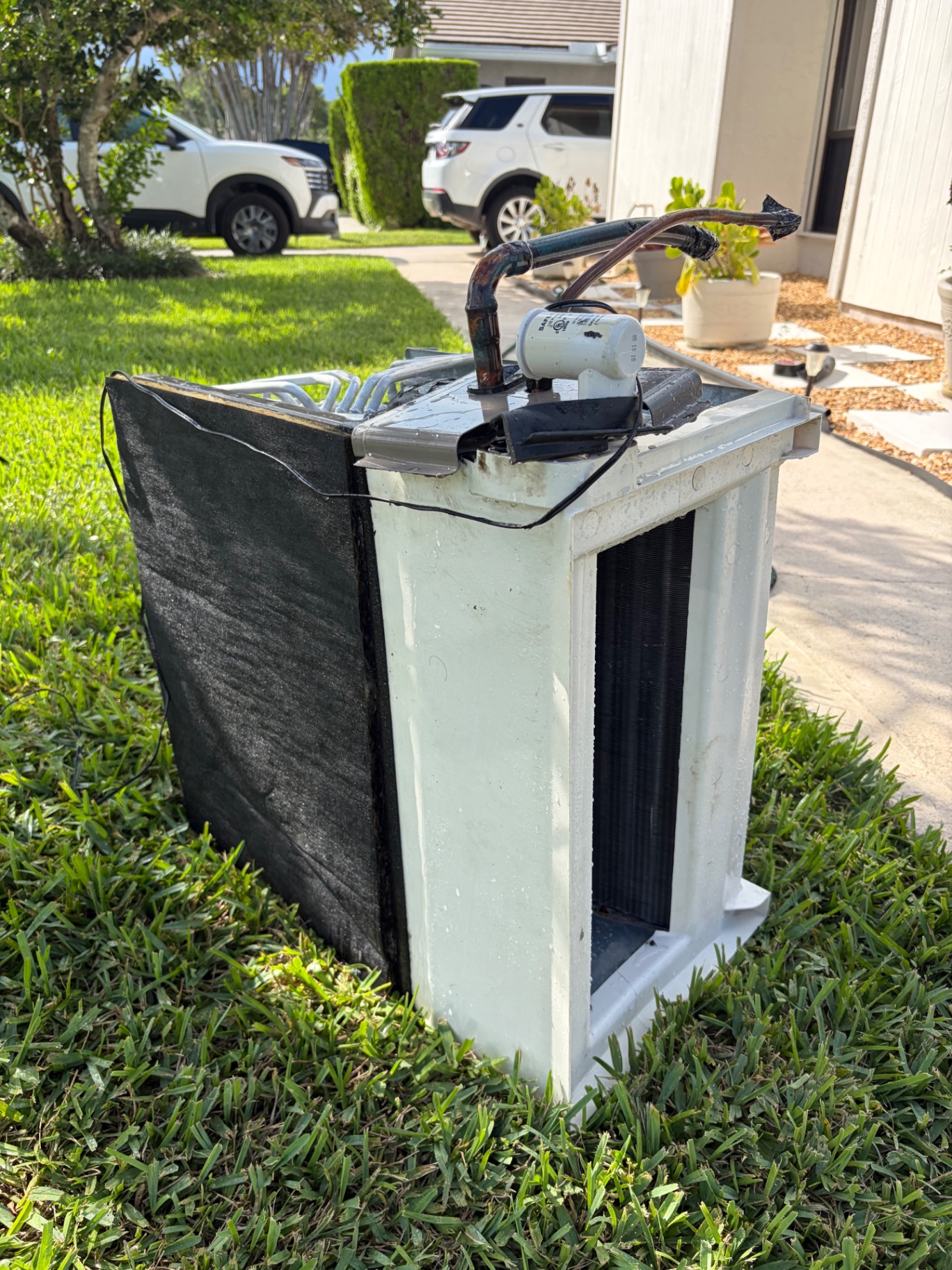
Real installs and repairs we've completed across the Treasure Coast.
Six common causes: undercharged refrigerant making the AC run constantly, dirty condenser coil, leaky ductwork pulling attic air, wrong thermostat settings, failing compressor drawing high amps, or a stuck contactor running the AC 24/7. We diagnose all six in a single visit.
A properly maintained 16 SEER 3-ton AC in Fort Pierce costs about $90–$140/month in peak summer (June–September) for the cooling portion of your bill. Over $200 means something's wrong.
Yes, significantly. Each degree below 76°F adds about 5–8% to your cooling cost. 72°F vs. 76°F can be a 30% bill difference.
Modestly — 8–15% if you weren't already setting back when away. Bigger savings come from fixing what's making the AC inefficient in the first place.
Either the system is undersized (rare in Florida — most are oversized), the refrigerant charge is low, airflow is restricted, the thermostat is reading wrong, or the home has air infiltration / inadequate insulation. We measure to find which.
Yes in Florida. Variable-speed compressors run at low capacity for hours instead of cycling on/off, which uses 30–40% less energy and pulls more humidity. Payback in 4–6 years on bill savings alone.
No. Modern systems are designed for a specific airflow rate. Closing vents raises static pressure, reduces efficiency, and can damage the blower motor. Use a zoning system if you need room-by-room control.
What's actually wrong — a $50 thermostat reprogram is different from a $1,500 duct seal or a $3,000 system replacement. Diagnostic visit identifies the specific issue and gives you a fix-cost menu.
Call (772) 236-4277 or schedule online. Class-A licensed across the Treasure Coast.